
The aroma of sizzling meats, the vibrant colors of fresh ingredients, and the friendly banter of a dedicated chef – these are the hallmarks of Truck Food For Sale, a dynamic and increasingly popular facet of the culinary landscape. More than just a quick bite, food trucks represent a unique opportunity for entrepreneurs to bring their culinary dreams to the streets, offering diverse and exciting food experiences directly to hungry customers. This comprehensive guide will delve into the world of Truck Food For Sale, exploring everything from initial planning to daily operations, ensuring you're equipped with the knowledge to navigate this thrilling, yet challenging, industry.
Why Truck Food For Sale? The Allure of the Mobile Kitchen
Truck Food For Sale: A Comprehensive Guide to Mobile Culinary Entrepreneurship
The appeal of Truck Food For Sale lies in its accessibility and potential for innovation. Unlike traditional brick-and-mortar restaurants, food trucks offer lower startup costs, increased mobility, and the flexibility to experiment with menus and target specific demographics. This makes them an attractive option for aspiring chefs, seasoned restaurateurs looking to expand, and entrepreneurs seeking a more agile business model. Beyond the business advantages, food trucks contribute to the vibrancy of urban spaces, fostering community and providing convenient access to diverse culinary offerings. They inject life into otherwise sterile areas, becoming lunchtime hubs and late-night destinations for food lovers.
Section 1: Planning Your Mobile Culinary Empire: From Concept to Reality
Before firing up the grill, meticulous planning is crucial. This section will guide you through the initial stages of launching your Truck Food For Sale venture.
- Concept Development: Define your brand. What type of food will you specialize in? What is your target audience? What makes your truck unique? Consider your culinary passions, market demand, and competitive landscape. Are you offering gourmet tacos, artisanal sandwiches, authentic ethnic cuisine, or decadent desserts? Your concept should be clear, concise, and easily communicated.
- Market Research: Thoroughly research your target market. Identify potential locations with high foot traffic and unmet culinary needs. Analyze competitor offerings, pricing strategies, and customer preferences. Utilize online surveys, social media polls, and direct observation to gather valuable data.
- Business Plan: Develop a comprehensive business plan outlining your concept, market analysis, financial projections, operational strategies, and marketing plan. This document will serve as a roadmap for your business and is essential for securing funding.
- Legal Structure: Choose a legal structure for your business, such as sole proprietorship, partnership, limited liability company (LLC), or corporation. Consult with a legal professional to determine the most appropriate structure for your specific needs and circumstances.
- Funding: Explore various funding options, including personal savings, loans from banks or credit unions, grants, crowdfunding, and angel investors. Your business plan will be a critical tool in securing funding.
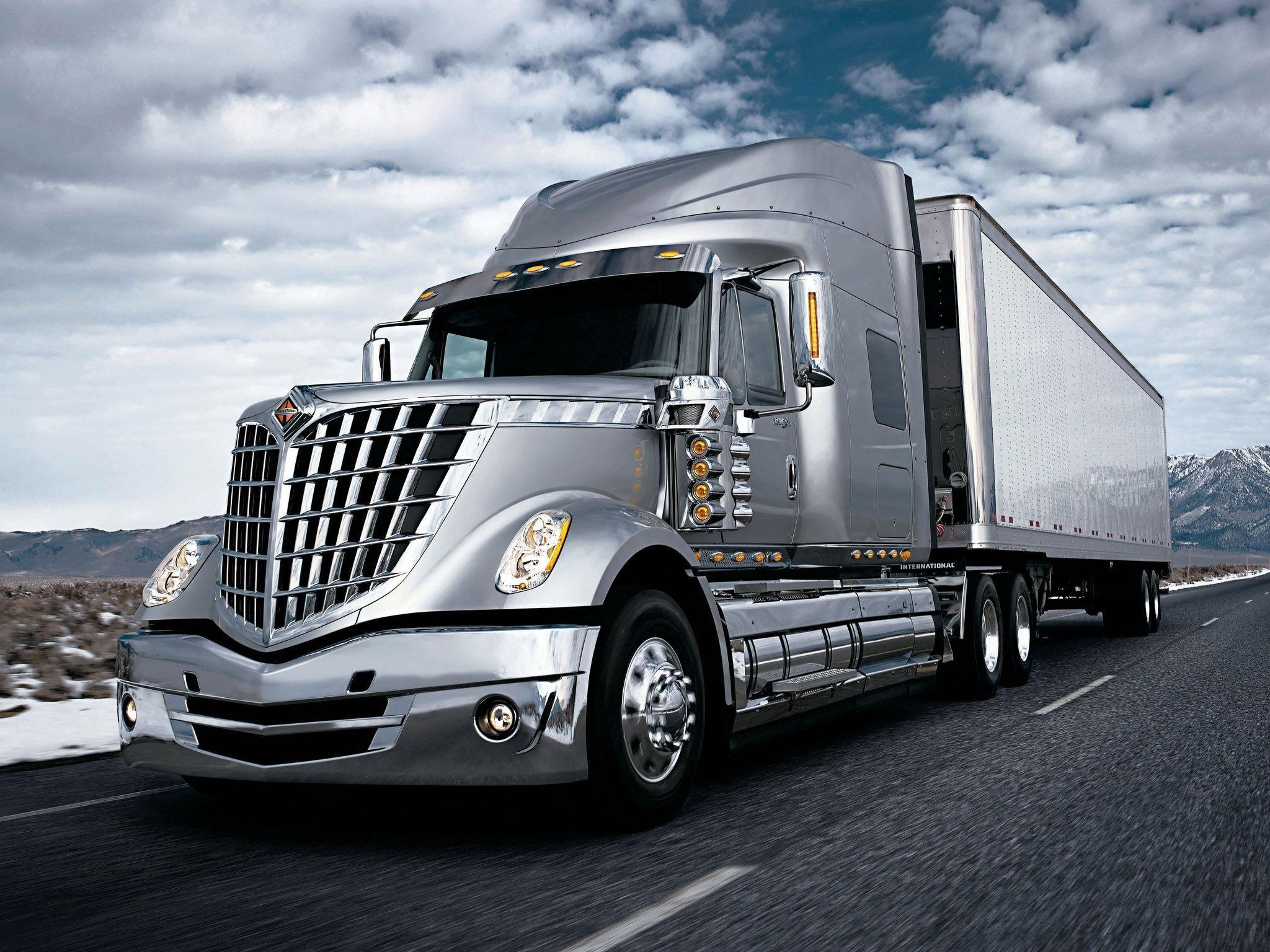
Section 2: Acquiring and Outfitting Your Mobile Kitchen:
The truck itself is the heart of your business. This section covers the essential steps involved in acquiring and equipping your mobile kitchen.
- Choosing Your Truck: Decide between buying a new or used food truck. New trucks offer modern amenities and warranties, but come with a higher price tag. Used trucks can be more affordable but may require repairs and upgrades. Consider factors such as size, layout, engine condition, and equipment compatibility.
- Customization and Equipment: Customize your truck to meet your specific culinary needs. Install essential equipment such as grills, fryers, ovens, refrigeration units, food preparation surfaces, and point-of-sale (POS) systems. Ensure all equipment meets safety standards and is properly installed. Consider energy-efficient options to minimize operating costs.
- Health and Safety Compliance: Adhere to all health and safety regulations. Install handwashing stations, ventilation systems, and fire suppression equipment. Obtain necessary permits and licenses from local health departments and regulatory agencies.
- Design and Branding: Create a visually appealing and memorable design for your truck. Use vibrant colors, eye-catching graphics, and a clear logo to attract customers. Ensure your branding is consistent across all marketing materials.
Section 3: Navigating Permits, Licenses, and Regulations:
Operating a food truck requires navigating a complex web of permits, licenses, and regulations.
- Local Regulations: Research local regulations regarding food truck operations. These regulations may vary by city, county, and state.
- Health Permits: Obtain necessary health permits from local health departments. These permits typically require inspections of your truck and adherence to food safety standards.
- Business Licenses: Obtain a business license from your local government.
- Parking Permits: Secure parking permits for designated food truck locations.
- Fire Safety Permits: Obtain fire safety permits from your local fire department.
- Insurance: Secure adequate insurance coverage, including general liability, workers' compensation, and auto insurance.
Section 4: Crafting a Winning Menu and Pricing Strategy:
Your menu is the cornerstone of your business. This section provides guidance on creating a menu that appeals to your target audience and maximizes profitability.
- Menu Development: Create a menu that reflects your culinary concept and target market. Offer a variety of options to cater to different tastes and preferences.
- Ingredient Sourcing: Source high-quality ingredients from reputable suppliers. Consider using local and sustainable ingredients whenever possible.
- Menu Pricing: Develop a pricing strategy that covers your costs and generates a profit. Consider factors such as ingredient costs, labor costs, overhead expenses, and competitor pricing.
- Menu Optimization: Continuously evaluate and optimize your menu based on customer feedback and sales data. Remove unpopular items and introduce new offerings to keep your menu fresh and exciting.
Section 5: Marketing and Promotion: Getting the Word Out:
Effective marketing is crucial for attracting customers and building brand awareness.
- Social Media Marketing: Utilize social media platforms such as Facebook, Instagram, and Twitter to promote your truck, announce locations, and engage with customers.
- Website and Online Ordering: Create a website with your menu, location information, and online ordering options.
- Local Partnerships: Partner with local businesses and organizations to promote your truck and reach new customers.
- Special Events: Participate in local events and festivals to increase visibility and generate sales.
- Loyalty Programs: Implement loyalty programs to reward repeat customers and encourage future business.
Section 6: Daily Operations: Running a Smooth Mobile Kitchen:
Efficient daily operations are essential for success.
- Food Preparation: Prepare food in advance to minimize wait times for customers.
- Inventory Management: Maintain accurate inventory records to ensure you have sufficient supplies on hand.
- Customer Service: Provide excellent customer service to create a positive experience and encourage repeat business.
- Cash Handling: Implement secure cash handling procedures to prevent theft and errors.
- Cleaning and Maintenance: Regularly clean and maintain your truck to ensure food safety and prevent breakdowns.
Section 7: Overcoming Challenges and Ensuring Sustainability:
The food truck industry presents unique challenges. This section addresses common obstacles and offers solutions.
- Competition: Differentiate your truck from competitors by offering unique menu items, exceptional service, and a strong brand identity.
- Weather: Develop contingency plans for inclement weather, such as offering covered seating or relocating to indoor venues.
- Location Restrictions: Comply with all location restrictions and regulations.
- Equipment Malfunctions: Regularly maintain your equipment to prevent breakdowns. Have a backup plan in place in case of emergencies.
- Employee Turnover: Offer competitive wages and benefits to attract and retain qualified employees.
Table Price: Comprehensive Information About Truck Food For Sale
| Category | Item | Estimated Cost (USD) | Notes |
|---|---|---|---|
| Startup Costs | Used Food Truck | $30,000 - $80,000 | Price varies widely based on condition, equipment, and customization. |
| New Food Truck | $80,000 - $200,000+ | Includes basic equipment; additional customization adds to the cost. | |
| Equipment (Grills, Fryers, etc.) | $10,000 - $30,000 | Varies based on menu and quality of equipment. | |
| Initial Inventory | $2,000 - $5,000 | Food, packaging, and cleaning supplies. | |
| Permits & Licenses | $500 - $2,000 | Varies significantly by location; research local requirements carefully. | |
| Insurance | $1,000 - $3,000/year | General liability, workers' compensation, and auto insurance. | |
| Branding & Marketing | $1,000 - $5,000 | Website, logo design, social media marketing, etc. | |
| Operating Costs | Rent/Parking Fees | $500 - $2,000/month | Depends on location and permit type. |
| Food Costs | 25% - 35% of Revenue | Varies based on menu and ingredient sourcing. | |
| Labor Costs | 20% - 30% of Revenue | Wages, salaries, and payroll taxes. | |
| Utilities (Gas, Electricity) | $200 - $500/month | Depends on usage and equipment efficiency. | |
| Maintenance & Repairs | $100 - $500/month | Preventative maintenance and unexpected repairs. | |
| Marketing & Advertising | $100 - $500/month | Ongoing promotion and customer engagement. | |
| Revenue | Average Daily Sales | $500 - $2,000+ | Highly dependent on location, menu, marketing, and operational efficiency. |
| Profit Margin | Net Profit Margin | 10% - 20% | After all expenses; requires careful cost management and revenue generation. |
Frequently Asked Questions (FAQ)
- Q: How much does it cost to start a food truck?
- A: Startup costs can range from $40,000 to $200,000 or more, depending on whether you buy a new or used truck, the equipment you need, and the local regulations.
- Q: What permits and licenses do I need?
- A: You'll typically need a business license, health permit, parking permit, and fire safety permit. The specific requirements vary by location.
- Q: How do I find a good location for my food truck?
- A: Look for locations with high foot traffic, visibility, and accessibility. Research local regulations regarding food truck parking.
- Q: How do I market my food truck?
- A: Utilize social media marketing, create a website, partner with local businesses, and participate in local events.
- Q: What are some common challenges faced by food truck owners?
- A: Common challenges include competition, weather, location restrictions, equipment malfunctions, and employee turnover.
- Q: Is owning a food truck profitable?
- A: Yes, owning a food truck can be profitable with careful planning, efficient operations, and effective marketing.
Conclusion: The Road Ahead for Mobile Culinary Entrepreneurs
Truck Food For Sale offers a unique and rewarding opportunity for culinary entrepreneurs to pursue their passion and build a successful business. While challenges exist, careful planning, diligent execution, and a commitment to quality can pave the way for success. By embracing innovation, adapting to market trends, and providing exceptional customer service, you can carve out a niche in the vibrant world of mobile culinary arts and bring your delicious creations to the masses, one bite at a time. The journey may be demanding, but the satisfaction of building your own mobile culinary empire is a reward in itself. So, fire up the grill, embrace the adventure, and embark on the exciting journey of Truck Food For Sale.