
The aroma of sizzling spices, the sizzle of a perfectly cooked burger, the friendly chatter of hungry customers – the food truck industry is booming, and at the heart of it lies the versatile and mobile "Trailer Food Truck." More than just a vehicle, a trailer food truck is a gateway to culinary entrepreneurship, offering a cost-effective and flexible way to launch your dream food business. But before you jump in, understanding the intricacies of finding the right "Trailer Food Truck For Sale" is crucial. This comprehensive guide will walk you through everything you need to know, from assessing your needs to navigating the buying process and ensuring your mobile kitchen is a recipe for success.
1. Defining the "Trailer Food Truck" and Its Appeal:
Trailer Food Truck For Sale: Your Comprehensive Guide to Mobile Culinary Entrepreneurship
A trailer food truck, unlike its self-propelled counterpart, is a mobile kitchen housed within a towable trailer. This distinction brings several advantages:
- Lower Initial Investment: Generally, trailers are less expensive than fully equipped food trucks. This reduced upfront cost makes them an attractive option for startups with limited capital.
- Flexibility and Versatility: Trailers can be easily towed by a variety of vehicles, offering greater flexibility in terms of location and maneuverability. You can also detach the trailer and use your tow vehicle for other purposes.
- Ease of Maintenance and Repair: Because the kitchen is separate from the engine and drivetrain, maintenance and repairs are often simpler and less costly.
- Customization Potential: Trailers offer a blank canvas for customization. You can tailor the interior layout, equipment, and exterior design to perfectly match your culinary concept and branding.
The appeal of a trailer food truck lies in its ability to offer a high-quality dining experience in diverse locations, from festivals and farmers markets to corporate events and busy street corners. It's a business that allows you to bring your passion for food directly to your customers.

2. Assessing Your Needs: Laying the Foundation for Success
Before you start browsing "Trailer Food Truck For Sale" listings, take the time to define your specific needs. This will help you narrow down your options and avoid costly mistakes. Consider the following factors:
- Culinary Concept: What type of food will you be serving? This will dictate the necessary equipment, such as grills, fryers, ovens, refrigeration units, and ventilation systems. A pizza trailer, for example, will require a different setup than a smoothie bar.
- Menu Complexity: A simple menu requires less equipment and space than a complex one. Consider the preparation and cooking processes involved for each menu item.
- Target Market and Location: Where will you be operating your trailer? Will you be primarily serving lunch to office workers in a downtown area, or catering to events in rural locations? This will influence your power requirements, storage needs, and overall trailer size.
- Budget: How much are you willing to spend on the trailer itself, as well as any necessary equipment, renovations, and permits? It's crucial to establish a realistic budget and stick to it.
- Storage and Transportation: Where will you store the trailer when it's not in use? Do you have a suitable tow vehicle with the necessary towing capacity? Consider the logistical challenges of transporting and parking the trailer.
- Permitting and Regulations: Research the specific permitting requirements in your area. Different jurisdictions may have different regulations regarding food safety, sanitation, and parking.

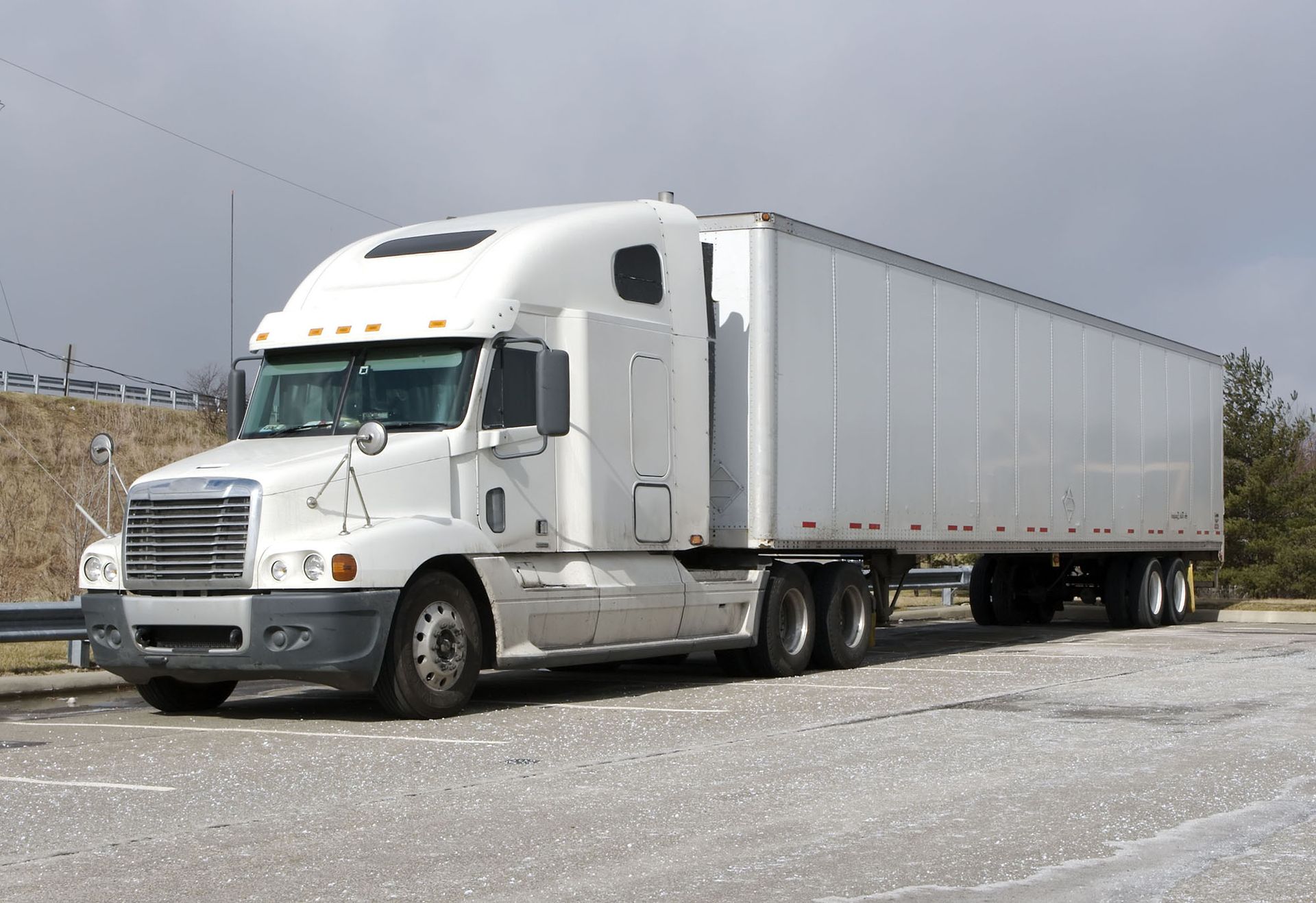
3. Exploring the Options: New vs. Used "Trailer Food Trucks For Sale"
Once you've assessed your needs, you can start exploring the market for "Trailer Food Truck For Sale." You have two main options: buying a new trailer or buying a used trailer. Each option has its own advantages and disadvantages:
-
New Trailers:
- Pros:
- Customizable to your exact specifications.
- Warranty protection.
- Modern equipment and technology.
- Easier to finance.
- Cons:
- Higher upfront cost.
- Longer lead times for construction and delivery.
- Pros:
-
Used Trailers:
- Pros:
- Lower initial cost.
- Immediate availability.
- Potential to find a fully equipped trailer at a fraction of the cost of a new one.
- Cons:
- May require repairs or renovations.
- Equipment may be outdated or less efficient.
- Limited or no warranty protection.
- History of the trailer may be unknown.
- Pros:
Where to Find "Trailer Food Trucks For Sale":
- Online Marketplaces: Websites like eBay, Craigslist, Facebook Marketplace, and specialized food truck marketplaces are good starting points for browsing listings.
- Manufacturers and Dealers: Contact trailer manufacturers and dealers directly to discuss your specific needs and explore custom-built options.
- Auctions: Keep an eye out for auctions of restaurant equipment and food trucks, where you may find a good deal on a used trailer.
- Networking: Connect with other food truck owners and industry professionals to learn about potential opportunities and get recommendations.
4. The Inspection Process: Kicking the Tires Before You Buy
Whether you're buying new or used, a thorough inspection is crucial. If possible, bring a qualified mechanic or food service equipment technician to help you assess the trailer's condition. Here are some key areas to focus on:
- Structure and Chassis: Inspect the frame, axles, tires, and suspension for any signs of damage, rust, or wear. Ensure the trailer is structurally sound and roadworthy.
- Electrical System: Check the wiring, outlets, and generator (if included) to ensure they are in good working order and meet your power requirements.
- Plumbing System: Inspect the water tanks, pumps, faucets, and drains for leaks or damage. Ensure the plumbing system is properly installed and complies with local regulations.
- Equipment: Test all equipment, including grills, fryers, ovens, refrigeration units, and ventilation systems, to ensure they are functioning correctly.
- Ventilation: Check the exhaust hood and ventilation system to ensure it is properly sized and installed to remove smoke and grease.
- Safety Features: Ensure the trailer is equipped with essential safety features, such as fire extinguishers, smoke detectors, and carbon monoxide detectors.
- Cleanliness and Sanitation: Inspect the trailer for cleanliness and sanitation. Ensure it is free from pests and that all surfaces are easily cleanable and sanitized.
5. Negotiating the Deal and Securing Financing:
Once you've found the perfect "Trailer Food Truck For Sale" and completed the inspection, it's time to negotiate the deal. Be prepared to make a reasonable offer based on the trailer's condition, age, and equipment.
-
Negotiation Tips:
- Do your research and know the market value of similar trailers.
- Be prepared to walk away if the seller is unwilling to negotiate.
- Highlight any flaws or repairs that need to be addressed.
- Consider offering a slightly higher price in exchange for additional equipment or services.
-
Financing Options:
- Small Business Loans: Explore small business loans from banks, credit unions, and online lenders.
- Equipment Financing: Some lenders specialize in financing for food trucks and other commercial equipment.
- Leasing: Consider leasing a trailer if you're not ready to commit to a purchase.
- Personal Savings: If possible, use your own savings to avoid taking on debt.
6. Permits, Licenses, and Regulations: Navigating the Bureaucracy
Before you can start serving customers, you'll need to obtain all the necessary permits and licenses. This process can be complex and time-consuming, so it's important to start early.
-
Key Permits and Licenses:
- Business License: Required to operate a business in your city or county.
- Food Handler's Permit: Required for all employees who handle food.
- Health Permit: Required to operate a food establishment.
- Mobile Food Vendor Permit: Required to operate a food truck or trailer.
- Fire Safety Permit: Required to ensure your trailer meets fire safety regulations.
- Zoning Permit: Required to operate in certain locations.
-
Research Local Regulations: Contact your local health department, fire department, and zoning department to learn about the specific regulations in your area.
7. Customizing and Equipping Your Trailer: Creating a Functional and Efficient Workspace
Once you've purchased your trailer, you'll need to customize and equip it to meet your specific needs. This may involve:
- Interior Layout: Optimize the layout to maximize space and efficiency. Consider the flow of traffic and the placement of equipment.
- Equipment Installation: Ensure all equipment is properly installed and connected to the electrical and plumbing systems.
- Branding and Signage: Create eye-catching signage and branding that reflects your culinary concept and attracts customers.
- Storage Solutions: Maximize storage space with shelves, cabinets, and other storage solutions.
- Comfort and Convenience: Consider adding features like air conditioning, heating, and a sound system to create a comfortable working environment.
8. Marketing and Promotion: Spreading the Word About Your Mobile Kitchen
Once your trailer is ready to go, it's time to start marketing and promoting your business.
- Key Marketing Strategies:
- Social Media: Create engaging content and interact with your followers on social media platforms like Facebook, Instagram, and Twitter.
- Website: Create a website with your menu, location, and contact information.
- Local Events: Participate in local events, festivals, and farmers markets.
- Partnerships: Partner with other businesses to cross-promote your services.
- Loyalty Programs: Reward loyal customers with discounts and special offers.
- Online Advertising: Use online advertising platforms like Google Ads and Facebook Ads to reach a wider audience.
9. Potential Challenges and Solutions:
Operating a trailer food truck can be challenging, but with careful planning and preparation, you can overcome these obstacles.
-
Common Challenges:
- Competition: The food truck industry is competitive, so it's important to differentiate yourself with a unique culinary concept and excellent customer service.
- Weather: Inclement weather can impact your business, so it's important to have a backup plan.
- Maintenance and Repairs: Equipment breakdowns can be costly and disruptive, so it's important to have a maintenance plan in place.
- Permitting and Regulations: Navigating the permitting process can be complex and time-consuming, so it's important to do your research and seek professional assistance if needed.
-
Solutions:
- Develop a Unique Culinary Concept: Stand out from the competition with a unique and delicious menu.
- Provide Excellent Customer Service: Create a positive and memorable experience for your customers.
- Build a Strong Brand: Develop a strong brand identity that resonates with your target market.
- Network with Other Food Truck Owners: Learn from the experiences of other food truck owners and build a supportive community.
- Stay Up-to-Date on Regulations: Stay informed about changes in regulations and ensure your business is in compliance.
10. Conclusion: Embracing the Mobile Culinary Adventure
Finding the right "Trailer Food Truck For Sale" is a significant step towards realizing your culinary dreams. By carefully assessing your needs, exploring your options, conducting thorough inspections, and navigating the permitting process, you can set yourself up for success in the exciting world of mobile food. Remember to prioritize quality, safety, and customer satisfaction, and embrace the adventure of bringing your delicious creations to the streets. The road may be challenging, but the rewards of owning and operating your own trailer food truck can be truly satisfying. So, start your research, prepare your budget, and get ready to embark on your mobile culinary journey!
Table Price: Trailer Food Truck For Sale
| Feature/Aspect | New Trailer (Estimated) | Used Trailer (Estimated) | Considerations |
|---|---|---|---|
| Base Trailer (Empty) | $15,000 - $40,000 | $5,000 - $25,000 | Size, material (aluminum, stainless steel), axle type (single, tandem), towing capacity. Consider GVWR (Gross Vehicle Weight Rating) for your tow vehicle. |
| Essential Equipment | $10,000 - $30,000 | $3,000 - $20,000 | Grill, fryer, refrigeration, oven, prep tables, sinks, ventilation. Choose NSF-certified equipment for sanitation compliance. |
| Electrical System | $2,000 - $5,000 | $500 - $3,000 | Generator (size depends on equipment needs), wiring, outlets, breaker panel. Ensure proper grounding and compliance with electrical codes. |
| Plumbing System | $1,000 - $3,000 | $300 - $1,500 | Water tanks (fresh and grey water), water pump, water heater, sinks, drain lines. Consider the volume of water needed for your menu and operations. |
| Ventilation System | $2,000 - $8,000 | $500 - $4,000 | Exhaust hood, fan, ductwork. Proper ventilation is crucial for safety and compliance with fire codes. |
| Customization/Renovation | $3,000 - $15,000+ | $1,000 - $10,000+ | Interior layout, flooring, lighting, paint, signage, branding. Factor in the cost of labor if you're not doing the work yourself. |
| Permits & Licenses | $500 - $2,000+ | $500 - $2,000+ | Varies greatly by location. Research local requirements and budget accordingly. |
| Insurance | $1,000 - $3,000/year | $1,000 - $3,000/year | Liability, property damage, workers' compensation (if applicable). Shop around for the best rates. |
| Total Estimated Cost | $34,500 - $101,000+ | $11,800 - $65,500+ | Important Note: These are estimates only. Actual costs may vary depending on your specific needs, location, and the quality of equipment and materials. Get multiple quotes! |
Frequently Asked Questions (FAQ):
Q: What is the first thing I should do when considering a trailer food truck? A: Define your culinary concept and target market. This will drive all other decisions, from equipment to location.
Q: How do I determine the right size trailer for my needs? A: Consider the size of your menu, the amount of equipment you need, and the number of employees who will be working in the trailer. Measure your space and visualize the layout before making a decision.
Q: Is it better to buy a new or used trailer food truck? A: It depends on your budget and priorities. New trailers offer customization and warranty protection, while used trailers are more affordable.
Q: What are some essential pieces of equipment for a trailer food truck? A: This depends on your menu, but common essentials include a grill, fryer, refrigeration unit, oven, prep tables, sinks, and a ventilation system.
Q: How do I get a food handler's permit? A: Contact your local health department for information on food safety training courses and permit requirements.
Q: What are some tips for marketing my trailer food truck? A: Use social media, create a website, participate in local events, and partner with other businesses to promote your services.
Q: How much insurance do I need for my trailer food truck? A: You'll need liability insurance to protect you from lawsuits, property damage insurance to cover damage to the trailer, and workers' compensation insurance if you have employees.
Q: What are some common challenges of operating a trailer food truck? A: Competition, weather, maintenance and repairs, and permitting regulations are some common challenges.
Q: How can I overcome these challenges? A: Develop a unique culinary concept, provide excellent customer service, build a strong brand, network with other food truck owners, and stay up-to-date on regulations.
Q: What is the most important factor to consider when choosing a location for my trailer food truck? A: Foot traffic. Choose a location with high visibility and a steady stream of potential customers. Also, ensure the location complies with local zoning regulations.