
The allure of owning a food truck is undeniable. The freedom, the creativity, the potential for high profits – it's a dream for many aspiring entrepreneurs. But the initial investment can be daunting. That's where the prospect of buying a used food truck for sale comes into play. It offers a more affordable entry point into the mobile food industry, allowing you to pursue your culinary vision without breaking the bank. However, navigating the used food truck market requires careful planning, due diligence, and a thorough understanding of what to look for. This comprehensive guide will equip you with the knowledge you need to make an informed decision and avoid potential pitfalls, helping you roll into the culinary scene with confidence.
1. The Appeal of a Used Food Truck: Why Go Secondhand?
Used Food Truck For Sale: Your Comprehensive Guide to Rolling into the Culinary Scene
Buying a used food truck isn't just about saving money; it's about making a smart business decision. Here's a breakdown of the key benefits:
- Lower Initial Investment: This is the most obvious advantage. Used food trucks are significantly cheaper than new ones, freeing up capital for other crucial aspects of your business, such as marketing, inventory, and permits.
- Faster Start-up: A used food truck is typically already equipped with the necessary cooking equipment, allowing you to hit the ground running much faster than if you were starting from scratch.
- Depreciation Advantage: New vehicles depreciate rapidly in the first few years. By buying used, you avoid the brunt of this depreciation, potentially recouping a larger portion of your investment if you decide to sell later.
- Established Layout and Functionality: A used food truck has already been used in a real-world setting. This means the layout and functionality have likely been tested and refined, minimizing the need for costly modifications.
- Negotiation Power: You're in a stronger negotiating position when buying used. You can leverage any flaws or necessary repairs to negotiate a lower price.
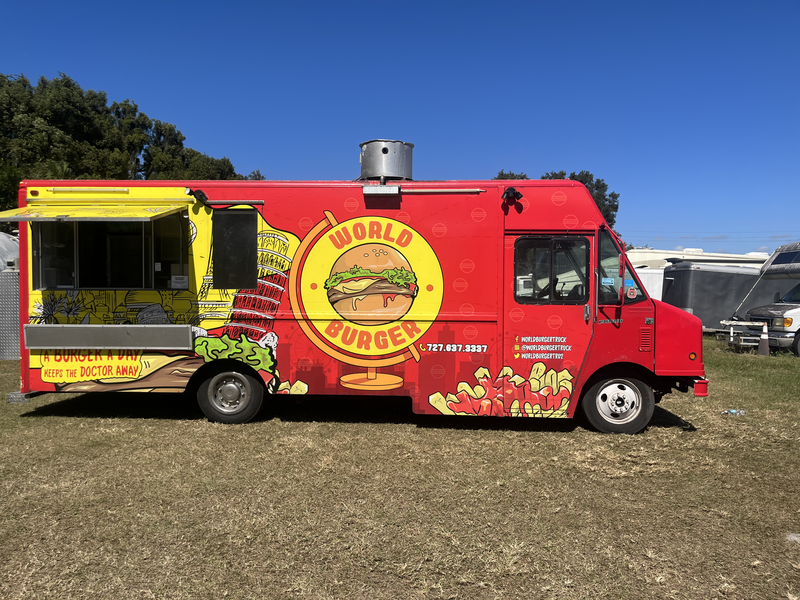
2. Defining Your Needs: What Kind of Food Truck Do You Need?
Before you even start browsing listings, you need a clear understanding of your business needs. This will help you narrow your search and avoid wasting time on trucks that aren't a good fit. Consider these factors:
- Menu: What type of food will you be serving? This will dictate the specific equipment you need (e.g., fryers, grills, ovens, refrigeration).
- Space Requirements: How much space do you need to prepare and serve your food efficiently? Consider the number of employees you'll have working in the truck simultaneously.
- Power Requirements: What are the electrical and propane needs of your equipment? Ensure the truck has the appropriate power supply and outlets.
- Mobility: How often will you be moving the truck? If you plan to travel frequently, fuel efficiency and overall truck condition are crucial.
- Local Regulations: Research the specific requirements for food trucks in your area, including health permits, fire safety regulations, and parking restrictions.

3. Where to Find Used Food Trucks for Sale: A Hunting Guide
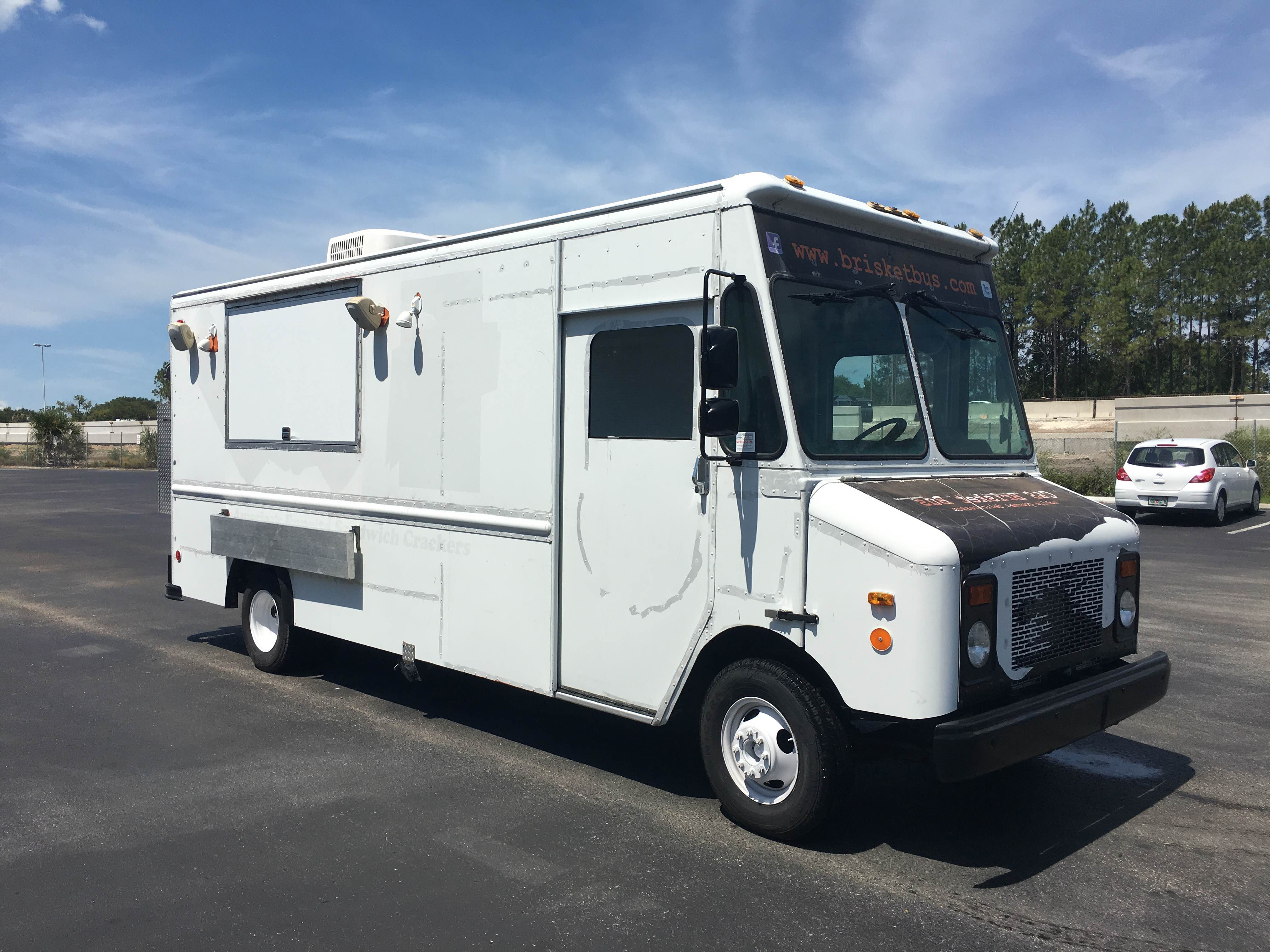
Once you know what you're looking for, it's time to start your search. Here are some popular avenues to explore:
- Online Marketplaces: Websites like Craigslist, Facebook Marketplace, eBay, and specialized food truck marketplaces (e.g., Roaming Hunger, FoodTrucksForSale.com) are excellent resources.
- Local Classifieds: Don't overlook local newspapers and community bulletin boards.
- Food Truck Dealers: Some dealers specialize in buying and selling used food trucks. They often offer financing options and warranties.
- Networking: Talk to other food truck owners, attend industry events, and let people know you're in the market. Word-of-mouth can be a powerful tool.
- Auctions: Keep an eye out for auctions of restaurant equipment or business liquidations.
4. The Inspection Process: Kicking the Tires and Looking Under the Hood
This is arguably the most critical step. A thorough inspection can save you thousands of dollars in repairs and prevent unexpected breakdowns down the road. Here's a checklist of key areas to examine:
- Exterior:
- Body: Look for rust, dents, and signs of damage. Check the paint condition and overall appearance.
- Tires: Inspect the tire tread, sidewalls, and inflation pressure.
- Windows and Doors: Ensure they open and close smoothly and are properly sealed.
- Generator Compartment: Check for proper ventilation and signs of leaks or damage.
- Interior:
- Equipment: Test all appliances to ensure they are functioning correctly. Check for leaks, rust, and signs of wear and tear.
- Plumbing: Inspect the water lines, drains, and sinks for leaks and proper drainage.
- Electrical System: Check the wiring, outlets, and circuit breakers for any issues.
- Ventilation System: Ensure the exhaust hood and ventilation system are clean and functioning properly.
- Flooring and Walls: Look for damage, mold, and signs of pests.
- Mechanical:
- Engine: Listen for unusual noises and check for leaks. Get a mechanic to inspect the engine if possible.
- Transmission: Test the transmission by driving the truck and shifting through all gears.
- Brakes: Ensure the brakes are responsive and functioning properly.
- Steering: Check for smooth and responsive steering.
Important Tip: Hire a qualified mechanic and a certified food service equipment technician to conduct a thorough inspection. This is an investment that can save you a lot of money and headaches in the long run.
5. Paperwork and Legal Considerations: Covering Your Bases
Don't neglect the paperwork! Before you finalize the purchase, ensure you have all the necessary documents and understand the legal implications.
- Verify that the seller has a clear title to the truck.
- Vehicle History Report: Obtain a vehicle history report (e.g., Carfax) to check for accidents, damage, and mileage discrepancies.
- Equipment Manuals: Obtain the manuals for all equipment to understand their operation and maintenance requirements.
- Service Records: Review the service records to see the maintenance history of the truck.
- Purchase Agreement: Have a lawyer review the purchase agreement to ensure it protects your interests.
- Insurance: Obtain the necessary insurance coverage for your food truck.
- Permits and Licenses: Apply for all required permits and licenses to operate your food truck legally.
6. Negotiation Strategies: Getting the Best Deal
Negotiation is a key part of buying a used food truck. Here are some tips to help you get the best deal:
- Do Your Research: Know the market value of similar food trucks.
- Be Prepared to Walk Away: Don't be afraid to walk away if the price isn't right.
- Highlight Flaws: Point out any flaws or necessary repairs to justify a lower price.
- Offer a Fair Price: Make a reasonable offer based on the truck's condition and market value.
- Consider Financing Options: If you're financing the purchase, be sure to shop around for the best interest rates.
- Be Patient: Don't rush into a decision. Take your time to find the right truck at the right price.
7. Potential Challenges and Solutions:
Buying a used food truck isn't without its challenges. Here are some common problems and potential solutions:
- Hidden Problems: Thorough inspection and professional assessments are crucial.
- Outdated Equipment: Consider the cost of upgrading equipment and factor it into your budget.
- Maintenance Issues: Budget for ongoing maintenance and repairs.
- Financing Difficulties: Explore different financing options and consider a down payment to improve your chances of approval.
- Permitting Challenges: Research local regulations and be prepared to address any compliance issues.
8. Tips for Success: Maximizing Your Investment
- Build a Strong Brand: Create a unique brand identity that resonates with your target audience.
- Develop a Compelling Menu: Offer high-quality food that is both delicious and affordable.
- Provide Excellent Customer Service: Create a positive and memorable experience for your customers.
- Market Your Food Truck Effectively: Use social media, local events, and other marketing channels to reach your target audience.
- Stay Organized: Keep track of your finances, inventory, and maintenance schedule.
- Be Adaptable: Be prepared to adapt to changing market conditions and customer preferences.
9. Price Table: Used Food Truck for Sale
| Feature | Price Range (USD) | Description | Considerations |
|---|---|---|---|
| Truck Size/Type | |||
| Small (e.g., van-based) | $15,000 - $30,000 | Compact, fuel-efficient, limited space | Ideal for simple menus, single-person operation |
| Medium (e.g., step van) | $30,000 - $60,000 | Good balance of space and maneuverability | Suitable for a wider range of menus, 2-3 person operation |
| Large (e.g., box truck) | $60,000 - $100,000+ | Ample space, high power capacity | Best for complex menus, multiple employees, high-volume operations |
| Equipment Condition | |||
| Basic (functional, older) | Lower end of range | Requires potential upgrades/repairs | Good for budget-conscious buyers willing to invest time/money |
| Standard (well-maintained) | Mid-range | Ready to operate, minimal immediate upgrades needed | Offers a balance of price and functionality |
| Premium (like-new) | Higher end of range | Newer equipment, excellent condition | Highest initial cost, but potentially lower long-term maintenance |
| Mileage | |||
| Low Mileage (under 50,000 miles) | Higher end of range | Less wear and tear on the engine and drivetrain | Generally more reliable |
| Medium Mileage (50,000 - 100,000 miles) | Mid-range | Acceptable if well-maintained | Requires closer inspection of mechanical components |
| High Mileage (over 100,000 miles) | Lower end of range | Significantly lower price | Higher risk of potential mechanical issues |
| Location | |||
| High Demand Areas (e.g., major cities) | Slightly higher prices | Increased competition for trucks | Easier access to potential customers |
| Lower Demand Areas (e.g., rural areas) | Potentially lower prices | Less competition, but potentially fewer customers | Opportunity to negotiate better deals |
10. Frequently Asked Questions (FAQ)
- Q: What's the average lifespan of a food truck?
- A: With proper maintenance, a food truck can last 10-15 years or more.
- Q: Should I lease or buy a used food truck?
- A: Buying is generally more cost-effective in the long run, but leasing can be a good option if you have limited capital.
- Q: How much does it cost to operate a food truck?
- A: Operating costs vary depending on your location, menu, and business volume. Expect to spend on fuel, propane, food supplies, permits, insurance, and marketing.
- Q: What are the most important things to look for when buying a used food truck?
- A: The condition of the equipment, the mechanical condition of the truck, and the legal paperwork are the most crucial factors.
- Q: Can I finance a used food truck?
- A: Yes, many lenders offer financing options for used food trucks.
11. Conclusion: Rolling Towards Your Culinary Dreams
Buying a used food truck is a viable and often advantageous path to starting your mobile food business. By carefully defining your needs, conducting thorough inspections, and understanding the legal and financial aspects, you can make a smart investment that sets you up for success. While challenges may arise, with proper planning, diligence, and a passion for your culinary vision, you can roll into the food truck scene and turn your dreams into a delicious reality. Remember to prioritize quality, thoroughness, and professional assessments to ensure your used food truck is a recipe for success, not a recipe for disaster. Good luck, and happy cooking!