
The aroma of sizzling street food, the freedom of the open road, and the entrepreneurial spirit – these are the cornerstones of the food truck dream. But launching a mobile culinary empire can be expensive. That's where the option of buying used food trucks for sale becomes incredibly appealing. A used food truck offers a more accessible entry point, allowing aspiring chefs and business owners to realize their visions without breaking the bank. However, navigating the used food truck market requires careful consideration, diligent research, and a healthy dose of practicality. This comprehensive guide will equip you with the knowledge you need to make a smart and informed decision, ensuring your journey towards mobile culinary success starts on the right foot.
Why Choose a Used Food Truck? Unveiling the Benefits
The Road Less Traveled: A Comprehensive Guide to Buying Used Food Trucks for Sale
Before diving into the specifics, let's explore the compelling reasons why buying used often trumps buying new:
- Cost Savings: This is the most obvious advantage. Used food trucks are significantly cheaper than new ones, allowing you to allocate more capital to other crucial aspects of your business, such as inventory, marketing, and permits.
- Faster Startup: Building a custom food truck from scratch can take months. A used truck can get you on the road and generating revenue much faster.
- Tried and Tested Equipment: With a used truck, you have the opportunity to inspect the existing equipment and assess its functionality. This can provide valuable insight into its reliability and potential maintenance needs.
- Lower Depreciation: New vehicles, including food trucks, depreciate significantly in the first few years. Buying used allows you to avoid this initial depreciation hit.
- Opportunity for Customization: The money saved on the truck itself can be invested in customizing the interior to perfectly suit your specific menu and operational needs.

Finding Your Mobile Kitchen: Where to Search for Used Food Trucks
The search for your perfect used food truck begins with knowing where to look. Here are some of the most popular and effective avenues:
- Online Marketplaces: Websites like Craigslist, Facebook Marketplace, eBay, and specialized food truck marketplaces (such as Roaming Hunger or FoodTrucksForSale.com) are treasure troves of listings.
- Food Truck Associations: Many states and regions have food truck associations that often have classifieds sections or member listings featuring used trucks for sale.
- Equipment Dealers: Some restaurant equipment dealers also specialize in used food trucks or have connections within the industry.
- Auctions: Online and live auctions can be a great place to find deals, but require careful due diligence beforehand.
- Networking: Talk to other food truck owners, attend industry events, and let your network know you're in the market. Word-of-mouth can often lead to hidden gems.
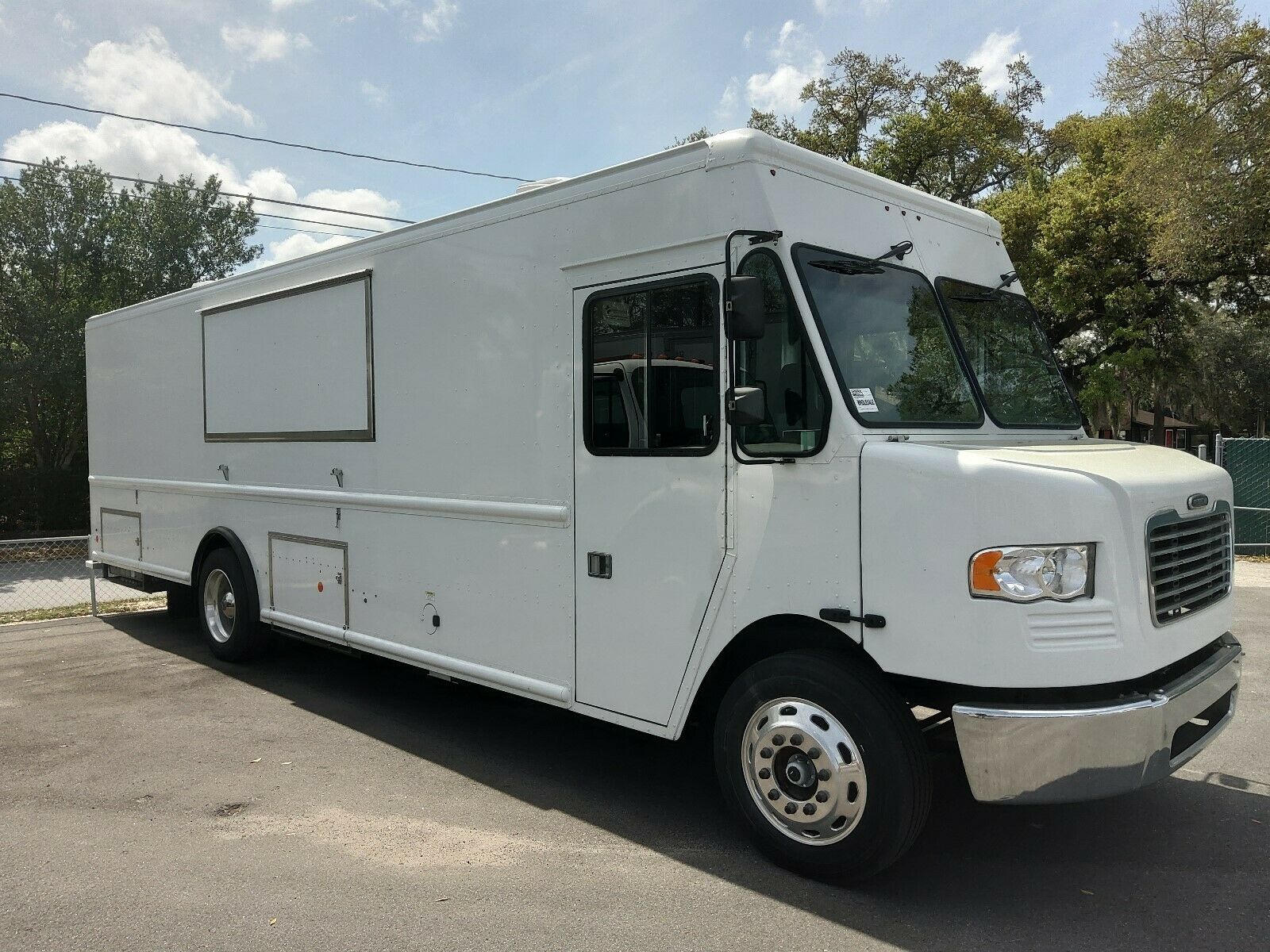
The Inspection Process: Kicking the Tires (Literally and Figuratively)

Once you've identified a potential candidate, a thorough inspection is crucial. Don't skip this step! This is where you uncover potential problems and negotiate a fair price.
1. The Vehicle Itself:
- Mechanical Condition: Have a qualified mechanic inspect the engine, transmission, brakes, suspension, and other critical components. Look for signs of wear and tear, leaks, and rust.
- Mileage and Age: Consider the mileage and age of the truck. High mileage and older trucks may require more maintenance and repairs in the future.
- Exterior Condition: Examine the body for dents, scratches, rust, and other damage. Check the tires and ensure they have sufficient tread.
- Generator: The generator is the heart of your mobile kitchen. Ensure it's in good working order and can handle the power demands of your equipment. Have it inspected by a qualified technician.
2. The Kitchen Equipment:
- Functionality: Test every piece of equipment – ovens, stoves, fryers, refrigerators, freezers, sinks, and exhaust hoods. Ensure they are functioning properly and reaching the correct temperatures.
- Cleanliness: Look for signs of cleanliness and maintenance. A well-maintained kitchen is a sign of a responsible owner.
- Condition: Examine the equipment for wear and tear, rust, and other damage.
- Compliance: Ensure the equipment meets current health and safety regulations.
3. Paperwork and Documentation:
- Title and Registration: Verify that the seller has a clear title to the vehicle and that the registration is up-to-date.
- Maintenance Records: Ask for maintenance records to get an idea of the truck's history and any previous repairs.
- Permits and Licenses: Understand what permits and licenses are required to operate the truck in your area and ensure the truck meets those requirements.
- Equipment Manuals: Obtain manuals for all the equipment to facilitate maintenance and repairs.
Negotiation and Financing: Securing the Best Deal
Once you're satisfied with the inspection, it's time to negotiate the price. Consider these factors:
- Condition of the Truck: The better the condition, the higher the price.
- Age and Mileage: Older trucks with high mileage should command a lower price.
- Equipment Included: The value of the included equipment should be factored into the price.
- Market Value: Research the market value of similar trucks in your area.
- Your Budget: Stick to your budget and be prepared to walk away if the price is too high.
Financing Options:
- Small Business Loans: Banks and credit unions offer small business loans to help finance the purchase of a food truck.
- Equipment Financing: Some lenders specialize in equipment financing for food trucks.
- Personal Loans: You can use a personal loan to finance the purchase, but interest rates may be higher.
- Seller Financing: In some cases, the seller may be willing to finance the purchase.
Legal Considerations: Navigating the Red Tape
Before finalizing the purchase, be aware of the legal requirements:
- Title Transfer: Ensure the title is properly transferred to your name.
- Insurance: Obtain adequate insurance coverage for the truck and your business.
- Permits and Licenses: Apply for all necessary permits and licenses to operate your food truck in your chosen location.
- Health Inspections: Schedule a health inspection to ensure your truck meets all health and safety regulations.
Customization and Upgrades: Making It Your Own
Once you've purchased your used food truck, you may want to customize it to better suit your needs. This could include:
- Exterior Wrap: A custom exterior wrap can help you brand your truck and attract customers.
- Equipment Upgrades: You may need to upgrade or replace some of the existing equipment.
- Interior Modifications: You may want to modify the interior layout to improve efficiency and workflow.
- Technology Integration: Consider adding technology such as point-of-sale systems, online ordering platforms, and social media marketing tools.
Potential Challenges and Solutions: Addressing the Roadblocks
Buying a used food truck isn't without its potential challenges. Here are some common issues and how to address them:
- Hidden Problems: Thorough inspections are crucial to uncover hidden problems. Consider hiring a professional inspector.
- Maintenance Costs: Be prepared for ongoing maintenance costs. Set aside a budget for repairs and preventative maintenance.
- Permitting and Licensing: Navigating the permitting and licensing process can be complex. Seek assistance from local authorities or a consultant.
- Competition: The food truck industry can be competitive. Develop a unique menu, offer excellent customer service, and market your truck effectively.
Table of Price Information
| Feature | New Food Truck (Example) | Used Food Truck (Example) | Notes |
|---|---|---|---|
| Base Price | $80,000 - $150,000+ | $30,000 - $75,000+ | Prices vary greatly depending on size, features, equipment, and brand. "Plus" indicates potential for significantly higher costs based on customization and luxury options. |
| Equipment | $20,000 - $50,000+ | Included (Value Varies) | New equipment installation can be very expensive. Used truck value depends on the condition and type of included equipment. |
| Customization | Highly Customizable | Limited, but Possible | New trucks can be built to your exact specifications. Used trucks require adapting to existing layouts. |
| Depreciation | High Initial Depreciation | Lower Depreciation | New vehicles lose value quickly. Used vehicles have already absorbed much of this initial loss. |
| Warranty | Typically Included | Rarely Included | Check if any equipment warranties are transferable on used trucks. |
| Lead Time | 3-6 Months+ | Immediate Availability | Building a new truck takes time. Used trucks are ready to go (after inspections and necessary repairs). |
| Overall Cost (Est.) | $100,000 - $200,000+ | $30,000 - $100,000+ | These are rough estimates. Thorough budgeting is essential. |
Frequently Asked Questions (FAQ)
Q: What are the most important things to look for when buying a used food truck?
A: The mechanical condition of the vehicle, the functionality and condition of the kitchen equipment, and the availability of necessary permits and licenses are crucial.
Q: Should I hire a professional inspector before buying a used food truck?
A: Yes, absolutely! A professional inspection can uncover hidden problems that you might miss.
Q: How can I finance the purchase of a used food truck?
A: Small business loans, equipment financing, personal loans, and seller financing are all potential options.
Q: What permits and licenses do I need to operate a food truck?
A: This varies depending on your location. You'll typically need a business license, a food handler's permit, a health permit, and a vehicle permit.
Q: How much should I budget for maintenance and repairs?
A: As a general rule, budget at least 10% of the purchase price annually for maintenance and repairs.
Q: Is it better to buy a used food truck with equipment or without?
A: Buying with equipment is usually more cost-effective, but make sure the equipment is in good working order and meets your needs.
Q: How can I ensure the truck meets health and safety regulations?
A: Schedule a health inspection with your local health department before finalizing the purchase.
Conclusion: Embracing the Mobile Culinary Dream
Buying a used food truck is a significant decision, but with careful planning and due diligence, it can be a smart and rewarding investment. By understanding the benefits, knowing where to look, conducting thorough inspections, negotiating wisely, and addressing potential challenges, you can navigate the used food truck market with confidence and embark on your journey towards mobile culinary success. Remember, the road to deliciousness is often paved with smart choices and a passion for great food. So, get out there, do your research, and find the perfect used food truck to bring your culinary vision to life. Good luck!