
The aroma of sizzling street food, the rumble of a generator, and the satisfaction of serving hungry customers – the food truck industry is booming, and a Small Food Truck For Sale could be your ticket to joining this exciting world. But before you jump in, it's crucial to understand the ins and outs of buying a small food truck, evaluating its worth, and setting yourself up for success. This comprehensive guide will walk you through everything you need to know, from assessing your needs to navigating the buying process and beyond.
1. Why Choose a Small Food Truck? Understanding the Appeal
Small Food Truck For Sale: Your Guide to Starting Your Mobile Food Empire
Small food trucks are generally classified as those under 20 feet in length. They offer several advantages, making them an attractive option for aspiring food entrepreneurs:
- Lower Initial Investment: Compared to larger trucks or brick-and-mortar restaurants, a small food truck has a significantly lower price tag. This reduces the financial risk and makes entry into the industry more accessible.
- Maneuverability and Versatility: Smaller trucks are easier to park and maneuver, allowing you to access a wider range of locations, including tight city streets and events with limited space.
- Lower Operating Costs: With a smaller footprint comes lower costs for fuel, insurance, maintenance, and potentially even permits.
- Focused Menu: Small food trucks often specialize in a niche menu, allowing you to perfect your offerings and build a loyal following.
- Easier to Manage: Running a smaller operation can be less overwhelming, especially for first-time business owners.
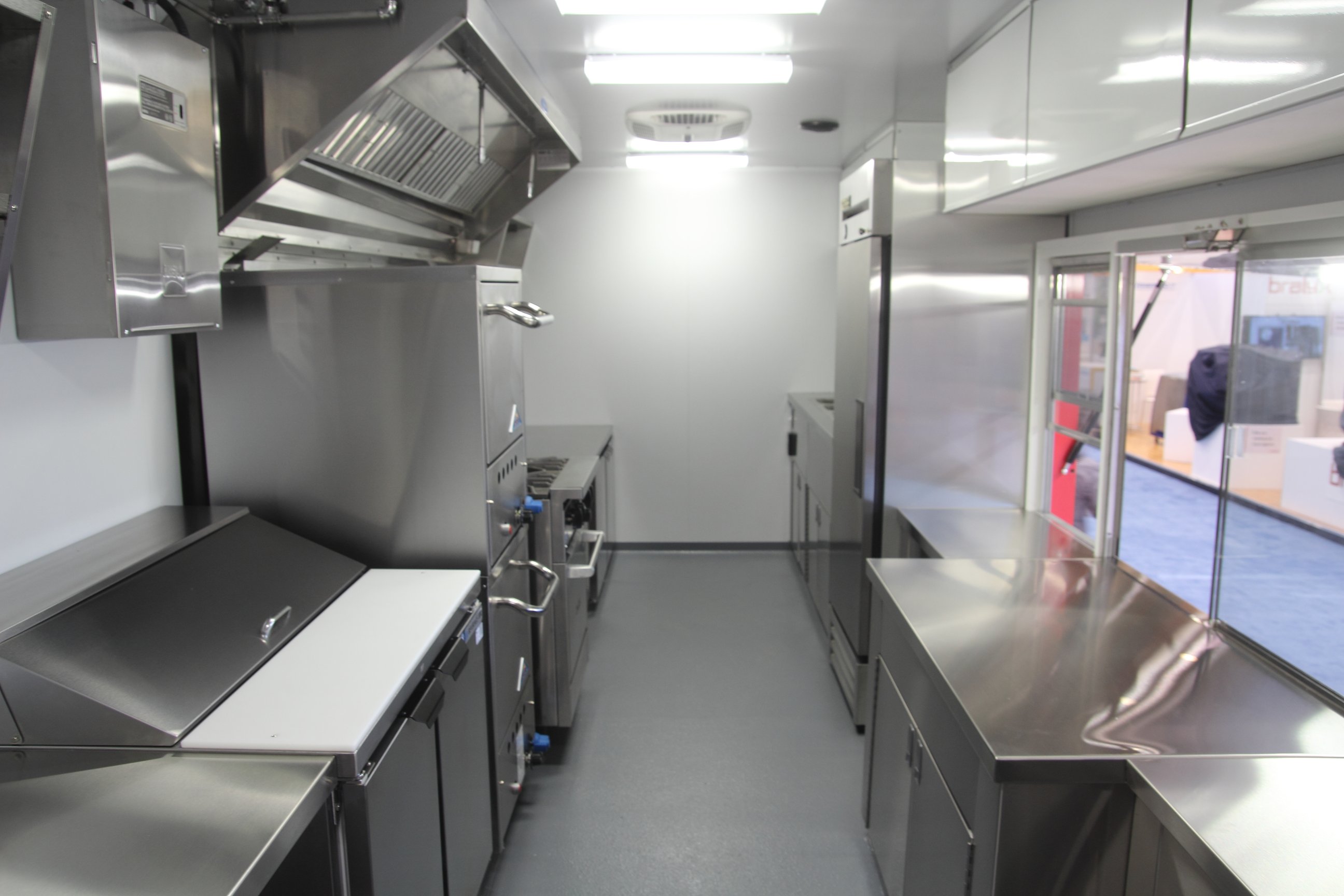
2. Defining Your Needs: The Foundation for a Successful Purchase
Before you start browsing listings, take the time to define your specific needs and goals. This will ensure you find a truck that aligns with your business plan. Consider the following:
- Menu: What type of food will you be serving? This will dictate the necessary equipment, such as grills, fryers, refrigerators, and ovens.
- Location: Where will you be operating? Different locations may have different power requirements, space constraints, and permit regulations.
- Target Audience: Who are you trying to reach? Understanding your target audience will influence your menu, pricing, and branding.
- Budget: How much can you realistically afford to spend on the truck itself, as well as any necessary upgrades or repairs?
- Storage: How much storage space will you need for ingredients, supplies, and packaging?
- Staffing: How many people will be working in the truck at any given time? This will impact the layout and equipment placement.


3. Where to Find Small Food Trucks For Sale: Exploring Your Options
Once you have a clear understanding of your needs, it's time to start your search. Here are some popular avenues:
- Online Marketplaces: Websites like Craigslist, Facebook Marketplace, eBay, and specialized food truck marketplaces are great places to find listings.
- Food Truck Dealers: Dealers specialize in selling new and used food trucks. They often offer financing options and warranties.
- Local Classifieds: Check local newspapers and online classifieds for listings in your area.
- Networking: Talk to other food truck owners, attend industry events, and connect with potential sellers through word-of-mouth.
- Auction Houses: Auctions can be a good way to find a truck at a lower price, but be sure to inspect the truck thoroughly before bidding.
4. Evaluating a Small Food Truck: A Comprehensive Inspection Checklist
Don't rush into a purchase without thoroughly inspecting the truck. Here's a checklist to guide you:
- Mechanical Condition:
- Engine: Start the engine and listen for any unusual noises. Check the oil level and condition.
- Transmission: Test the transmission by shifting through all the gears.
- Brakes: Test the brakes for proper function and stopping power.
- Tires: Check the tire tread and condition.
- Suspension: Inspect the suspension for any signs of damage or wear.
- Kitchen Equipment:
- Functionality: Test all equipment to ensure it is working properly.
- Cleanliness: Check the cleanliness of the equipment and the overall kitchen area.
- Maintenance: Ask about the maintenance history of the equipment.
- Compliance: Ensure all equipment meets health and safety regulations.
- Electrical and Plumbing:
- Wiring: Inspect the wiring for any damage or exposed wires.
- Outlets: Test all outlets to ensure they are working.
- Plumbing: Check for any leaks in the plumbing system.
- Water Heater: Test the water heater to ensure it is working properly.
- Exterior and Interior:
- Body: Inspect the body for any rust, dents, or damage.
- Paint: Check the paint condition.
- Flooring: Inspect the flooring for any damage or wear.
- Ventilation: Ensure there is adequate ventilation in the kitchen area.
- Documentation:
- Verify the title is clean and clear.
- Maintenance Records: Review the maintenance records for the truck and equipment.
- Permits and Licenses: Check for any existing permits or licenses that may be transferable.
5. Negotiating the Price: Getting the Best Deal
Once you've found a truck you like and have conducted a thorough inspection, it's time to negotiate the price. Here are some tips:
- Research the Market Value: Determine the fair market value of the truck based on its age, condition, and equipment.
- Highlight Any Deficiencies: Point out any issues you found during the inspection to justify a lower price.
- Be Prepared to Walk Away: Don't be afraid to walk away if the seller is unwilling to negotiate a reasonable price.
- Consider Financing Options: Explore financing options from banks, credit unions, or specialized lenders.
- Get a Professional Appraisal: Consider hiring a professional appraiser to assess the value of the truck.
6. Securing Permits and Licenses: Navigating the Regulatory Landscape
Before you can start operating your food truck, you'll need to obtain the necessary permits and licenses. These requirements vary depending on your location, so it's essential to research the specific regulations in your area. Common permits and licenses include:
- Business License: A general license to operate a business in your city or county.
- Food Handler's Permit: Required for anyone who handles food.
- Health Permit: Ensures your truck meets health and safety standards.
- Mobile Food Vendor Permit: Allows you to operate a food truck in designated areas.
- Fire Safety Permit: Ensures your truck meets fire safety regulations.
- Vehicle Registration and Insurance: Required for operating a vehicle on public roads.
7. Financing Your Small Food Truck: Exploring Funding Options
Buying a food truck can be a significant investment. Here are some common financing options:
- Small Business Loans: Banks and credit unions offer loans specifically for small businesses.
- Equipment Financing: Lenders specialize in financing equipment, including food trucks.
- SBA Loans: The Small Business Administration (SBA) guarantees loans to small businesses.
- Personal Savings: Using your own savings can reduce the need for external financing.
- Friends and Family: Borrowing from friends and family can be a more flexible option.
- Crowdfunding: Raising funds through online platforms like Kickstarter or GoFundMe.
8. Tips for Success: Maximizing Your Investment
- Develop a Strong Brand: Create a memorable brand that reflects your food and target audience.
- Market Your Business: Utilize social media, local advertising, and word-of-mouth to promote your food truck.
- Provide Excellent Customer Service: Go above and beyond to create a positive customer experience.
- Maintain Your Truck: Regular maintenance will help prevent breakdowns and extend the life of your truck.
- Stay Compliant with Regulations: Ensure you are always in compliance with health and safety regulations.
- Network with Other Food Truck Owners: Learn from their experiences and build relationships.
9. Potential Challenges and Solutions:
- Competition: The food truck industry can be competitive. Solution: Differentiate yourself with a unique menu, excellent service, and strong branding.
- Permit Regulations: Obtaining permits can be complex and time-consuming. Solution: Research the regulations thoroughly and seek assistance from local authorities.
- Maintenance Costs: Food trucks require regular maintenance. Solution: Budget for maintenance costs and establish a relationship with a reliable mechanic.
- Weather: Inclement weather can impact business. Solution: Have a backup plan for bad weather, such as offering delivery or participating in indoor events.
10. Conclusion: Your Mobile Food Adventure Awaits
Buying a Small Food Truck For Sale can be a rewarding and profitable venture. By carefully considering your needs, thoroughly inspecting potential purchases, and navigating the regulatory landscape, you can set yourself up for success in the exciting world of mobile food. Remember to prioritize quality, customer service, and continuous improvement, and your small food truck can become a thriving business that brings delicious food and joy to your community.
Table Price: Small Food Truck For Sale - Comprehensive Guide
| Aspect | Description | Price Range/Considerations |
|---|---|---|
| Truck Size | Small food truck typically under 20 feet in length. | Varies; affects maneuverability and operating space. |
| Initial Investment | Purchase of the truck itself. | $20,000 - $80,000+ (used), $80,000 - $150,000+ (new) - Prices are estimates only. |
| Equipment Costs | Grills, fryers, refrigerators, ovens, etc. | $5,000 - $30,000+ (depending on menu and quality) - Prices are estimates only. |
| Permits and Licenses | Business license, food handler's permit, health permit, mobile food vendor permit, etc. | $500 - $5,000+ (annual cost, varies by location) - Prices are estimates only. |
| Insurance | General liability, vehicle insurance, workers' compensation (if applicable). | $1,000 - $5,000+ (annual cost, depends on coverage) - Prices are estimates only. |
| Operating Costs | Fuel, propane, ingredients, supplies, rent (if applicable), maintenance. | Varies greatly depending on sales volume and efficiency. |
| Financing Options | Small business loans, equipment financing, SBA loans, personal savings, friends and family, crowdfunding. | Interest rates and terms vary by lender and creditworthiness. |
| Market Value (Used) | Depends on age, condition, equipment, and location. | Conduct thorough research to determine a fair price. |
| Professional Appraisal | Cost for a professional to assess the value of the truck. | $300 - $1,000+ (varies by appraiser) - Prices are estimates only. |
| Legal Fees | Cost for legal assistance with contracts, permits, etc. | $500 - $2,000+ (depending on complexity) - Prices are estimates only. |
| Branding and Marketing | Logo design, website, social media, advertising. | $500 - $10,000+ (ongoing cost) - Prices are estimates only. |
Important Note: All prices listed are estimates and can vary significantly depending on location, equipment, condition, and other factors. It is essential to conduct thorough research and obtain accurate quotes before making any financial decisions.
Frequently Asked Questions (FAQ)
-
Q: What size generator do I need for my small food truck?
- A: The size of generator you need depends on the power requirements of your equipment. Calculate the total wattage of all your appliances and add a safety margin. A 7,000-10,000 watt generator is often sufficient for a small food truck, but consult with an electrician to determine the best size for your specific needs.
-
Q: How much does it cost to insure a small food truck?
- A: Insurance costs vary depending on the type of coverage, your location, and your driving record. Expect to pay between $1,000 and $5,000 per year for general liability, vehicle insurance, and workers' compensation (if applicable).
-
Q: Can I operate my food truck anywhere?
- A: No, you can only operate your food truck in designated areas approved by your local authorities. Check with your city or county to determine the permitted locations and any restrictions.
-
Q: How do I get a health permit for my food truck?
- A: Contact your local health department to learn about the requirements for obtaining a health permit. You will likely need to pass an inspection of your truck and demonstrate that you are following proper food safety practices.
-
Q: What are the most important things to consider when buying a used food truck?
- A: The most important things to consider are the mechanical condition of the truck, the functionality of the kitchen equipment, and the overall cleanliness of the truck. Also, verify the title is clean and clear, and review the maintenance records.
-
Q: How can I make my small food truck stand out from the competition?
- A: Develop a unique menu, provide excellent customer service, market your business effectively, and create a strong brand.
-
Q: What is the average lifespan of a small food truck?
- A: With proper maintenance, a small food truck can last for 10-15 years or more.
-
Q: Do I need a business plan before buying a food truck?
- A: Absolutely. A business plan is crucial for outlining your goals, strategies, and financial projections. It will help you secure funding and stay on track as you launch your food truck business.
-
Q: How much can I expect to earn with a small food truck?
- A: Earnings vary greatly depending on location, menu, marketing, and operating efficiency. Research average revenue for food trucks in your area and create realistic financial projections.
-
Q: Is it better to buy a new or used food truck?
- A: Both have pros and cons. New trucks offer reliability and warranties but come with a higher price tag. Used trucks are more affordable but may require repairs and upgrades. Weigh the pros and cons based on your budget and risk tolerance.