
The allure of owning a restaurant is undeniable, but the hefty investment and overhead costs can be daunting. Enter the food truck: a mobile culinary platform offering a lower barrier to entry and the freedom to take your delicious creations directly to your customers. If you're considering jumping into the vibrant world of street food, understanding the ins and outs of buying a "For Sale Food Truck" is crucial. This comprehensive guide will walk you through everything you need to know, from initial considerations to final purchase, ensuring you make a smart and informed decision.
I. Why Buy a Food Truck? The Mobile Culinary Advantage
For Sale Food Truck: A Comprehensive Guide to Buying Your Mobile Culinary Dream
Before diving into the specifics of finding a "For Sale Food Truck," let's explore the compelling reasons why this entrepreneurial path is so appealing:
- Lower Startup Costs: Compared to brick-and-mortar restaurants, food trucks require significantly less initial investment. Rent, utilities, and extensive renovations are minimized, allowing you to focus on your menu and branding.
- Mobility and Flexibility: One of the biggest advantages is the ability to move your business to high-traffic locations, events, and festivals. This flexibility allows you to test different markets and optimize your reach.
- Direct Customer Interaction: Food trucks foster a closer connection with your customers. You're often the one taking orders, preparing food, and engaging with patrons, creating a loyal following.
- Creative Control: A food truck offers complete creative control over your menu, branding, and overall business strategy. You can experiment with different cuisines, cater to specific dietary needs, and adapt to changing trends.
- Faster Return on Investment (ROI): With lower overhead and the potential for high-volume sales at events, food trucks can often achieve a faster ROI compared to traditional restaurants.

II. Defining Your Food Truck Vision: What Are You Looking For?
Before you even start browsing "For Sale Food Trucks," you need a clear understanding of your business goals and the type of vehicle that will best serve your needs. Consider these key factors:
- Cuisine and Menu: Your menu will dictate the equipment you need. A burger truck will require different appliances than a taco truck or a dessert truck.
- Target Market: Are you aiming for lunchtime crowds in a downtown area, catering events, or serving late-night snacks? This will influence the size and features of your truck.
- Budget: Determine your maximum budget, including not just the purchase price but also potential repairs, upgrades, and licensing fees.
- Location and Regulations: Research the regulations in your desired operating area. Some cities have strict rules regarding food truck sizes, parking, and generator usage.
- New vs. Used: A new food truck offers the advantage of customization and warranty, but it comes at a higher cost. A used truck can be more affordable, but it may require repairs or upgrades.

III. Types of Food Trucks: Finding the Right Fit
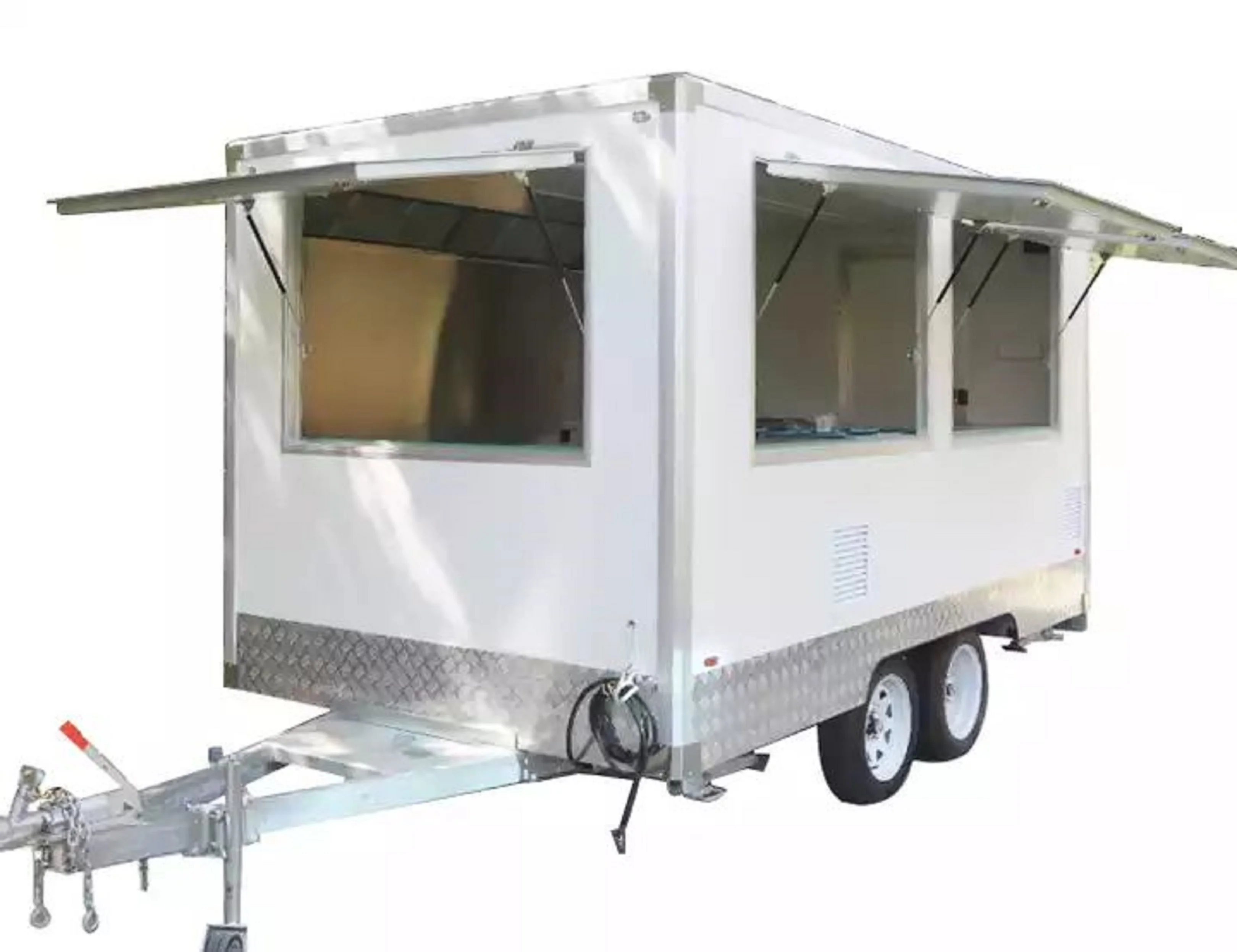
Food trucks come in various shapes and sizes, each with its own advantages and disadvantages. Here's a breakdown of common types:
- Box Trucks/Step Vans: These are the most common type of food truck, offering ample space for equipment and food preparation. They are typically built on a chassis with a box-shaped body.
- Vans: Smaller vans are suitable for simpler menus and limited space. They are more fuel-efficient and easier to maneuver in tight spaces.
- Trailers: Food trailers are towed behind a vehicle, offering flexibility in terms of location and setup. They can be a good option for events and festivals.
- Converted Buses/RVs: These offer a unique and eye-catching appearance, but they can be more expensive to maintain and operate.
IV. Where to Find "For Sale Food Trucks": Navigating the Market
Once you have a clear idea of what you're looking for, it's time to start your search. Here are some popular resources:
- Online Marketplaces: Websites like Craigslist, Facebook Marketplace, and specialized food truck marketplaces (e.g., Roaming Hunger, FoodTrucksForSale.com) are great places to find listings.
- Food Truck Builders and Manufacturers: Many companies specialize in building and customizing food trucks. They often have listings for pre-owned vehicles.
- Restaurant Equipment Suppliers: Some restaurant equipment suppliers also sell used food trucks or have connections with vendors who do.
- Auctions: Restaurant equipment auctions can sometimes feature food trucks.
- Networking: Talk to other food truck owners and industry professionals. They may know of trucks for sale or have valuable insights.
V. Inspecting a "For Sale Food Truck": Due Diligence is Key
Before making an offer, it's crucial to thoroughly inspect the food truck to identify any potential problems. This includes:
- Mechanical Inspection: Have a qualified mechanic inspect the engine, transmission, brakes, and other mechanical components.
- Equipment Inspection: Check all the equipment (grills, fryers, refrigerators, etc.) to ensure they are in good working order.
- Electrical and Plumbing Inspection: Have a qualified electrician and plumber inspect the electrical and plumbing systems.
- Exterior Inspection: Examine the body for rust, damage, and leaks.
- Interior Inspection: Check for cleanliness, proper ventilation, and adherence to health codes.
- Review Maintenance Records: Ask the seller for maintenance records to get an idea of the truck's history.
VI. Negotiating the Price and Closing the Deal
Once you've found a "For Sale Food Truck" that meets your needs and passed inspection, it's time to negotiate the price and close the deal.
- Research Market Value: Determine the fair market value of the truck based on its age, condition, and features.
- Make an Offer: Start with a lower offer than you're willing to pay, leaving room for negotiation.
- Negotiate Terms: Be prepared to negotiate not only the price but also other terms, such as payment schedule, closing date, and contingencies.
- Secure Financing: If you need financing, get pre-approved before making an offer.
- Review the Contract: Carefully review the purchase agreement before signing. Consider having a lawyer review it as well.
- Final Inspection: Conduct a final inspection before taking possession of the truck.
VII. Essential Considerations After Purchase
The journey doesn't end with the purchase. Here's what you need to do after acquiring your "For Sale Food Truck":
- Licensing and Permits: Obtain all necessary licenses and permits from your local health department, city, and state.
- Insurance: Secure adequate insurance coverage, including general liability, workers' compensation (if applicable), and vehicle insurance.
- Branding and Marketing: Develop a strong brand identity and marketing strategy to attract customers.
- Menu Development: Finalize your menu and source high-quality ingredients.
- Staffing: Hire reliable and skilled staff members.
- Maintenance: Establish a regular maintenance schedule to keep your truck in top condition.
VIII. Potential Challenges and Solutions
Owning a food truck is not without its challenges. Here are some common hurdles and potential solutions:
- Competition: Differentiate yourself with a unique menu, exceptional service, and a strong brand.
- Weather: Plan for inclement weather by having backup locations or offering delivery services.
- Regulations: Stay informed about changing regulations and comply with all requirements.
- Maintenance: Invest in regular maintenance to prevent breakdowns and costly repairs.
- Parking: Secure permits for prime parking locations.
IX. Price Table of Food Truck
| Feature | New Food Truck | Used Food Truck (Good Condition) | Used Food Truck (Needs Repair) |
|---|---|---|---|
| Price Range | $80,000 - $200,000+ | $30,000 - $80,000 | $10,000 - $30,000 |
| Equipment | New, Customizable | May need upgrades/replacement | Likely needs significant repair/replacement |
| Warranty | Typically Included | Limited or None | None |
| Customization | Fully Customizable | Limited Customization | Very Limited |
| Maintenance | Lower initial cost | Higher potential initial costs | Highest potential initial costs |
| Depreciation | Immediate | Slower | Minimal |
| Financing Options | More Available | Limited | Very Limited |
X. Frequently Asked Questions (FAQ)
-
Q: How much does it cost to start a food truck business?
- A: Costs vary widely depending on the truck, equipment, and location, but you can expect to spend anywhere from $30,000 to $200,000+.
-
Q: What licenses and permits do I need?
- A: You'll typically need a business license, health permit, food handler's permit, and potentially a mobile food vendor permit.
-
Q: How do I find good locations for my food truck?
- A: Research high-traffic areas, events, and festivals. Network with other food truck owners and event organizers.
-
Q: How important is branding?
- A: Branding is crucial. A strong brand identity helps you stand out from the competition and attract customers.
-
Q: What are some common mistakes to avoid?
- A: Not doing enough research, underestimating costs, neglecting maintenance, and failing to market your business effectively.
XI. Conclusion: Embark on Your Mobile Culinary Adventure
Buying a "For Sale Food Truck" is a significant investment, but it can be a rewarding entrepreneurial endeavor. By carefully considering your needs, conducting thorough inspections, and planning for the challenges ahead, you can increase your chances of success in the exciting world of mobile cuisine. Take your time, do your research, and prepare to roll into a delicious new chapter!