
Texas, a state known for its bold flavors, entrepreneurial spirit, and vibrant food scene, is a hotbed for the food truck industry. The appeal is undeniable: lower overhead than a brick-and-mortar restaurant, mobility to reach diverse customer bases, and the freedom to create a unique culinary experience on wheels. But before you jump into the world of mobile cuisine, understanding the ins and outs of buying a food truck in Texas is crucial. This comprehensive guide will navigate you through the process of finding the perfect "Food Truck For Sale In Texas" and turning your culinary dreams into a delicious reality.
Why Buy a Food Truck in Texas?
Food Trucks For Sale In Texas: Your Mobile Culinary Empire Awaits
The Texas food truck scene is booming, driven by factors like:
- Lower Startup Costs: Compared to opening a traditional restaurant, a food truck requires significantly less capital.
- Flexibility and Mobility: You can move your business to high-traffic areas, festivals, and events, maximizing your reach.
- Creative Freedom: Experiment with unique menus, cuisines, and branding without the constraints of a fixed location.
- Strong Culinary Culture: Texans love food, and they're always eager to try new and exciting culinary offerings.
- Growing Economy: Texas boasts a robust economy, providing a stable environment for small businesses to thrive.

However, entering the food truck industry requires careful planning and research. Let's explore the key aspects of finding the perfect food truck for sale in the Lone Star State.
I. Defining Your Culinary Vision: What Kind of Food Truck Do You Need?
Before you even start browsing listings, clarify your culinary vision. This will guide your search and ensure you find a truck that meets your specific needs. Ask yourself:
- What type of cuisine will you serve? (e.g., BBQ, tacos, burgers, vegan, desserts)
- What equipment will you need? (e.g., grills, fryers, ovens, refrigeration)
- How much space do you require for food preparation and storage?
- What is your target customer demographic?
- What is your budget?

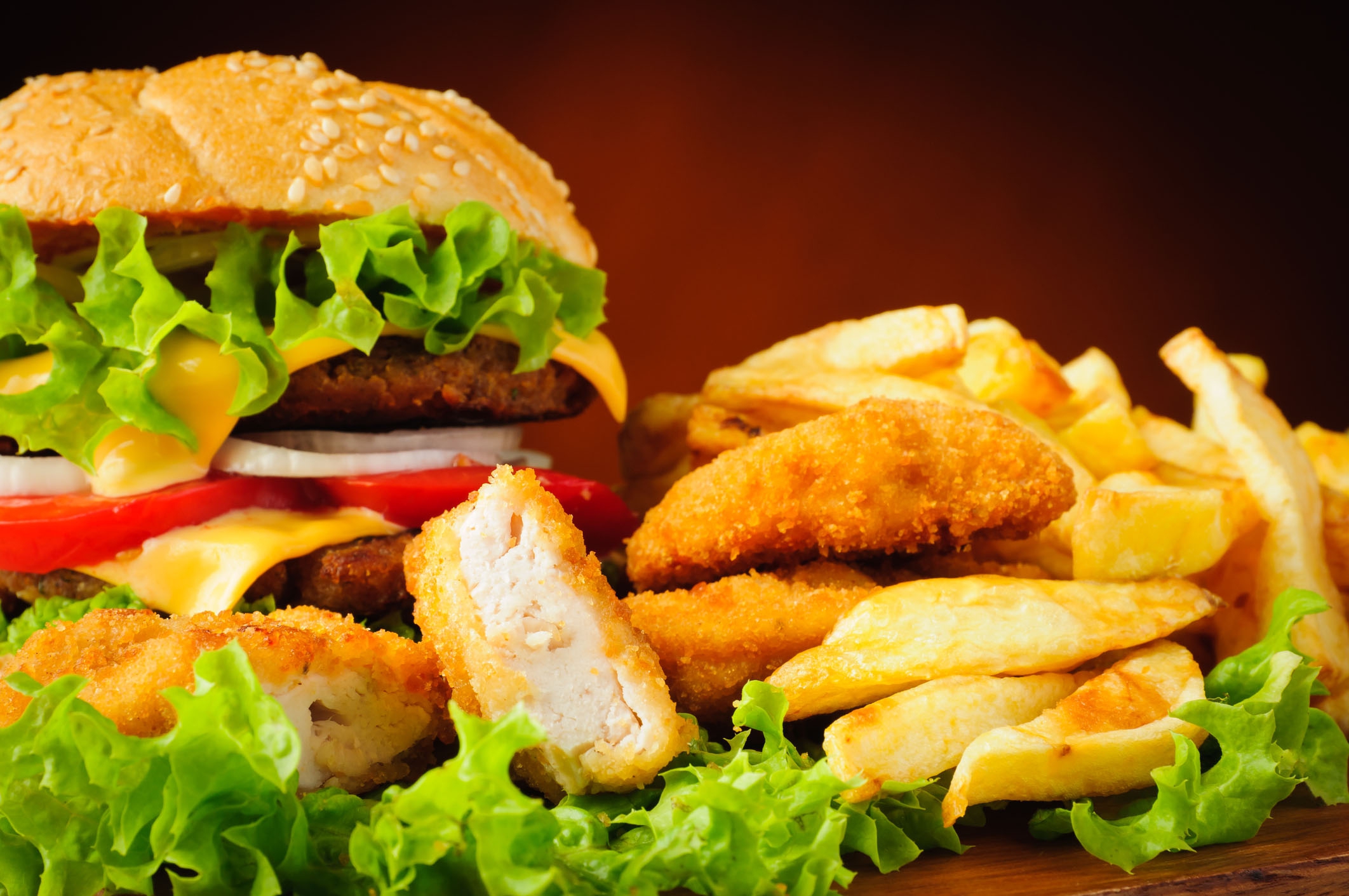
Answering these questions will help you narrow down your search and identify the features you need in a food truck.
II. New vs. Used: Weighing the Options
The decision to buy a new or used food truck depends on your budget, risk tolerance, and desired level of customization.
-
New Food Trucks:
- Pros: Brand new equipment, warranty coverage, customization options, modern design, financing options.
- Cons: Higher initial cost, longer lead times for construction.
-
Used Food Trucks:
- Pros: Lower purchase price, readily available, potentially equipped with existing equipment.
- Cons: Potential for hidden mechanical issues, may require repairs or upgrades, no warranty.
III. Where to Find Food Trucks for Sale in Texas:
Several online platforms and local resources can help you find food trucks for sale:
- Online Marketplaces:
- eBay: A popular auction site with a wide selection of used food trucks.
- Craigslist: A local classifieds site where you can find food trucks for sale by owner.
- Commercial Truck Trader: A dedicated marketplace for commercial vehicles, including food trucks.
- Facebook Marketplace: A convenient platform for browsing local listings.
- Food Truck Builders and Manufacturers:
- These companies specialize in building custom food trucks and often have pre-built models for sale. Research builders in Texas like Prestige Food Trucks, Austin Food Trucks, and Texas Cart Builder.
- Food Truck Brokers:
- Brokers act as intermediaries between buyers and sellers, streamlining the transaction process.
- Local Food Truck Associations:
- These associations often have members selling their trucks or can provide valuable leads.
- Industry Trade Shows:
- Attend food industry trade shows to network with vendors and potentially find food trucks for sale.
IV. Due Diligence: Inspecting and Evaluating a Food Truck
Once you've identified a potential food truck, thorough due diligence is essential.
- Physical Inspection:
- Exterior: Check for rust, dents, and structural damage.
- Interior: Inspect the equipment, plumbing, electrical systems, and ventilation.
- Engine and Mechanical Components: Have a qualified mechanic inspect the engine, transmission, and other critical components.
- Equipment Testing:
- Test all equipment to ensure it's functioning properly. This includes grills, fryers, ovens, refrigerators, and generators.
- Review Documentation:
- Verify the truck's title, registration, and any maintenance records.
- Background Check:
- Run a background check on the seller to ensure they are the legal owner of the truck.
- Permits and Licenses:
- Research the permits and licenses required to operate a food truck in your desired location. Confirm that the truck meets all necessary requirements.
V. Financing Your Food Truck Purchase:
Securing financing is a crucial step in acquiring a food truck. Here are some options:
- Small Business Loans: Banks and credit unions offer small business loans for food truck purchases.
- SBA Loans: The Small Business Administration (SBA) provides loan guarantees to lenders, making it easier for small businesses to obtain financing.
- Equipment Financing: Some lenders specialize in financing commercial equipment, including food trucks.
- Personal Loans: You can use a personal loan to finance your food truck purchase, but interest rates may be higher.
- Seller Financing: In some cases, the seller may be willing to finance a portion of the purchase price.
VI. Negotiating the Price and Closing the Deal:
Once you've completed your due diligence and secured financing, it's time to negotiate the price and close the deal.
- Negotiation:
- Be prepared to negotiate the price based on the truck's condition, equipment, and market value.
- Highlight any issues or repairs needed to justify a lower price.
- Purchase Agreement:
- A purchase agreement outlines the terms of the sale, including the purchase price, payment schedule, and closing date.
- Have a lawyer review the purchase agreement before signing.
- Closing:
- At closing, you'll transfer ownership of the truck and receive the keys.
VII. Essential Considerations for Food Truck Ownership in Texas:
- Permits and Licenses: Obtain all necessary permits and licenses to operate a food truck in your city and county. These may include a food handler's permit, mobile food vendor permit, and health permit.
- Insurance: Secure adequate insurance coverage, including general liability, commercial auto, and workers' compensation insurance.
- Location: Research high-traffic locations and events where you can set up your food truck.
- Marketing: Develop a marketing strategy to attract customers, including social media, website, and local advertising.
- Menu Planning: Create a menu that is both appealing and efficient to prepare.
- Inventory Management: Implement a system for managing your inventory to minimize waste and ensure you have enough supplies on hand.
VIII. Potential Challenges and Solutions:
- Competition: The food truck industry is competitive. Differentiate your business by offering unique cuisine, exceptional service, and creative marketing.
- Regulations: Food truck regulations can vary by city and county. Stay up-to-date on the latest regulations and ensure you comply with all requirements.
- Maintenance: Food trucks require regular maintenance to keep them running smoothly. Budget for routine maintenance and repairs.
- Weather: Texas weather can be unpredictable. Be prepared for extreme heat, rain, and wind.
- Staffing: Finding and retaining reliable staff can be challenging. Offer competitive wages and benefits to attract and retain employees.
IX. Price Table For Food Trucks For Sale In Texas
| Feature | New Food Truck (Estimated) | Used Food Truck (Estimated) | Notes |
|---|---|---|---|
| Base Price | $80,000 - $150,000+ | $30,000 - $80,000+ | Prices vary widely based on size, equipment, and customization. |
| Equipment | Included in base price (new) | May need upgrades/repairs | New trucks offer modern, efficient equipment; used trucks may require investment in replacements or upgrades. |
| Customization | Extensive options | Limited, may require retrofit | New trucks can be tailored to your specific needs; used trucks may require modifications, adding to the overall cost. |
| Warranty | Typically included | Rarely included | Warranty coverage provides peace of mind and protects against unexpected repairs in the initial years. |
| Financing | Easier to obtain | May be more challenging | New trucks are generally easier to finance due to their higher value and lower risk profile. |
| Permits & Licenses | Same for both | Same for both | Costs vary depending on location and specific requirements. Budget separately. |
| Insurance (Annual) | $1,500 - $5,000+ | $1,500 - $5,000+ | Coverage includes general liability, commercial auto, and workers' compensation. Rates vary based on risk factors. |
| Maintenance (Annual) | $1,000 - $3,000+ | $3,000 - $7,000+ | New trucks have lower initial maintenance costs; used trucks may require more frequent repairs. |
| Fuel Costs (Annual) | Varies widely | Varies widely | Dependent on mileage, route, and fuel efficiency. |
| Location Fees (Monthly) | $500 - $2,000+ | $500 - $2,000+ | Costs vary based on location and demand. Negotiate rates whenever possible. |
| Marketing Costs (Monthly) | $200 - $1,000+ | $200 - $1,000+ | Budget for website, social media, advertising, and promotional materials. |
X. Conclusion: Your Culinary Adventure Awaits
Buying a food truck in Texas is an exciting opportunity to pursue your culinary passion and build a successful business. By carefully planning, conducting thorough due diligence, and securing adequate financing, you can find the perfect "Food Truck For Sale In Texas" and embark on your mobile culinary adventure. Remember to stay adaptable, embrace the challenges, and never stop innovating to thrive in the vibrant Texas food truck scene. Good luck, and may your wheels always be turning towards success!
XI. Frequently Asked Questions (FAQ)
-
Q: What are the most important things to consider when buying a food truck?
- A: Your budget, cuisine, equipment needs, location, and regulatory requirements.
-
Q: Is it better to buy a new or used food truck?
- A: It depends on your budget and risk tolerance. New trucks offer warranty coverage and customization, while used trucks are more affordable but may require repairs.
-
Q: How much does it cost to start a food truck business in Texas?
- A: Startup costs can range from $50,000 to $200,000, depending on the truck's condition, equipment, and location.
-
Q: What permits and licenses do I need to operate a food truck in Texas?
- A: You'll need a food handler's permit, mobile food vendor permit, health permit, and potentially other local permits.
-
Q: How do I find high-traffic locations for my food truck?
- A: Research local events, festivals, business districts, and areas with high foot traffic.
-
Q: What type of insurance do I need for my food truck?
- A: General liability, commercial auto, and workers' compensation insurance.
-
Q: How do I market my food truck?
- A: Use social media, a website, local advertising, and partnerships with other businesses.